Splatoon Raiders Dungeons Guide
Match each Spirhalite raid type to the reward you actually need.
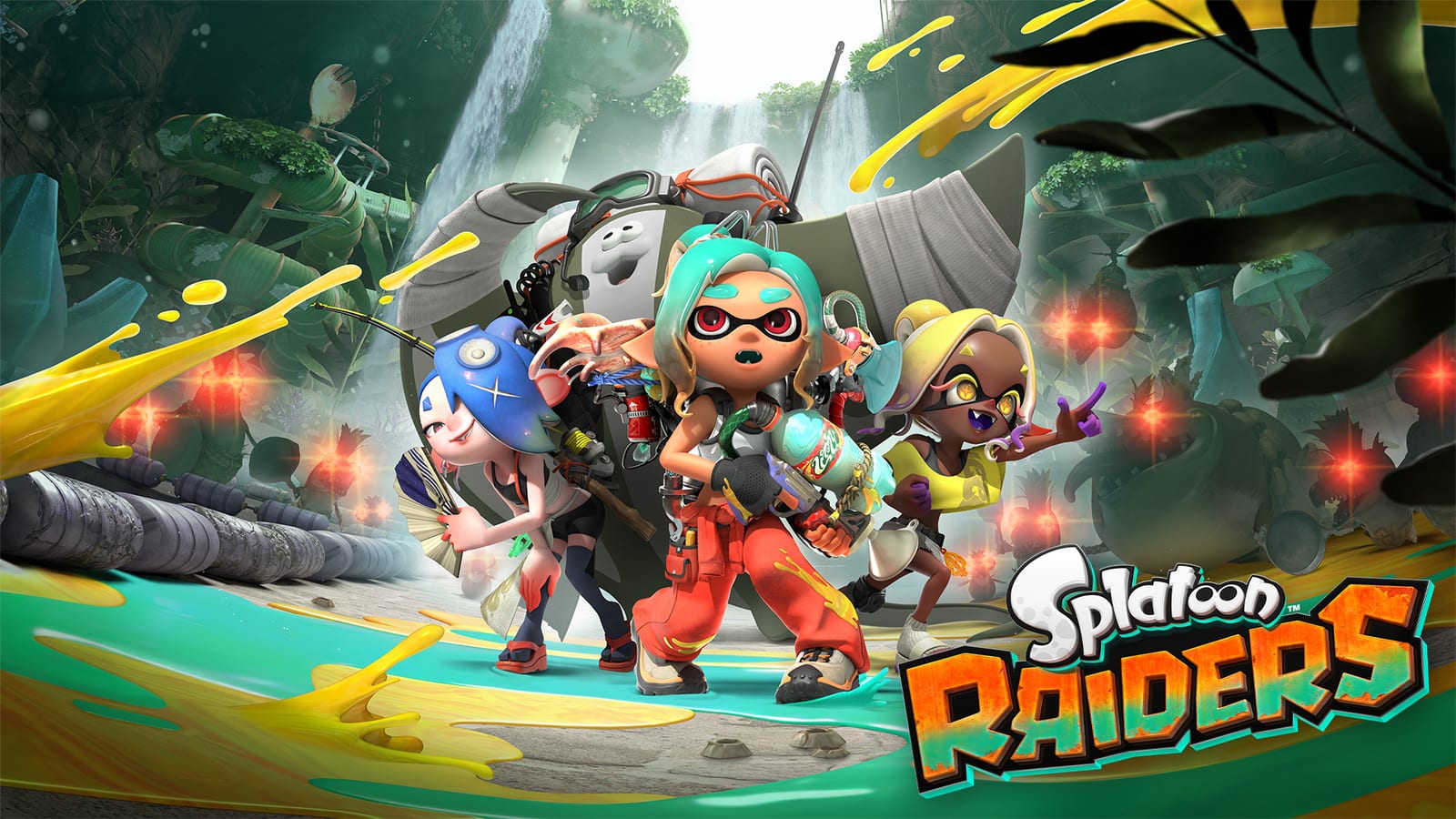
Dungeons are the heartbeat of Splatoon Raiders. The overworld of the Spirhalite Islands is a launchpad; the runs themselves are compact raid stages with objectives, Salmonid pressure, and loot rules that change by dungeon type. If you feel stuck, you are usually either on the wrong dungeon type for your goal or underprepared for that type’s win condition.
Use this guide with the Walkthrough Hub, the map overview, and the Items Hub so every queue spends shards and minutes wisely.
Past Adventures and story progression
Past Adventures teach systems and push the campaign. Pantree Beach on Lehlo Island is the onboarding run: explore to the machine, learn ink combat with a visible health bar, and earn a stronger starter weapon after the crew hauls salvage home. On Erpp Island, Piel Coast, Blansh Seaway, and Scayl Buried Ruins tighten the screws—crystal drills, radar targets, timed collection, and boss checks.
Play these on a difficulty you can read. Survivalist is available, but Tourist still grants the same loot family while you learn telegraphs. Story first, greeding second.
Treasure Hunt dungeons
Treasure Hunt stages emphasize chests, routes, and opportunistic fights. They are prime time for gadget parts, Briny Scrolls, and mixed treasure that feeds Shiver and Frye back on the ship. Bring mobility gadgets so you can swipe a side route without committing to every Lesser pack.
If your builds page loadout is greedy on damage but weak on escape tools, Treasure Hunt will punish you when a Boss Salmonid camps the chest room. Paint exits before you open loud rewards.
Shard Mining
Shard Mining exists to feed the Spirhalite Shard economy. Weapons, gadgets, and many facility actions drink shards constantly. A clean mining loop on a comfortable difficulty often outperforms dying repeatedly in a Spicy story room “because it is on the way.”
Defend drills, keep swim lanes painted, and use Bot Buddy hops to reset vertical angles when Seasoned Salmonids dive the objective. Spend the haul using priorities from the Hideout Ship guide rather than impulsively maxing a weapon you will replace tomorrow.
Spirhalite gem search
Gem search stages chase rarer Spirhalite Gems used in bigger construction jumps and high-end crafts. Treat them like precision farms: higher attention, fewer whiffed objectives. If you are still failing crystal timers on Erpp, finish those lessons before you burn evenings on gem routes.
Gems pair with Salmonid materials from the materials page. Track both before you open Ship Construction for a level bump.
Sampler Dungeons (compass challenges)
Sampler Dungeons appear after you collect Old Compasses—often from blue crates—and follow the treasure map prompt to reveal a hidden stage. These runs are challenge rooms: restricted tools, platforming, ring collection, or gadget exams. Rewards lean toward Skill Tomes that unlock meaningful tank growth.
Compass colors teach different tracking styles on the map. When a Sampler feels like a skill check, temporarily simplify controls sensitivity and bring the exact gadget the room is built around. The collectibles page covers compass and scroll hunting in more detail.
Relic-focused ruins and combat powers
Buried Ruins-style relic hunts award Salmonid Relics whose powers depend heavily on the tank you bring. If you want a Power Tank relic identity, do not clear the ruin on a “just for fun” Speed preset and hope the game guesses your intent.
Slot relics through Big Man’s Hoard and your tank menus, then re-test on the ship range. Full power notes live in the relics guide.
Boss Salmonids, Seasoned threats, and Mega Power Eggs
Lesser packs create noise. Boss Salmonids create mechanics. Seasoned variants raise the salt—and the threat. Defeating bosses for Mega Power Eggs fuels Bot Buddy pressure and Showstopper windows. Learn which fights need shield breaks (Power tools), which need kiting (Speed tools), and which need deployables (Tactical tools).
When a dungeon lists multiple sub-objectives—as Scayl Buried Ruins does—budget your special for the boss room, not the opening hallway.
Practical queue matrix
- Story stuck → Past Adventures / marked progression stages
- Broke on shards → Shard Mining
- Need parts or scrolls → Treasure Hunt
- Need gems → Gem search
- Need Skill Tomes → Sampler Dungeons
- Need Relic powers → Relic ruins with the correct tank
Before any Spicy attempt, run the raid checklist and confirm motion or stick comfort in best settings.
Early clear tips without spoilers overload
On Pantree Beach, prioritize learning swim heals over perfectionist loot paths. On Piel Coast, assign one eye to the drill at all times. On Blansh Seaway, move with the radar instead of vacuuming every side room first. On Scayl Buried Ruins, treat the collection sublevel as a warm-up for the boss sublevel—do not spend all resources early.
Co-op helps, but call the objective. Four players ignoring a crystal still fail the dungeon type’s rules.
Frequently Asked Questions
Quick answers to the most common questions.
What dungeon should I play for Spirhalite Shards?
Shard Mining stages are the direct answer. Story dungeons drop some resources, but dedicated mining loops are better when you are funding weapon and facility upgrades.
How do Sampler Dungeons unlock?
Find Old Compasses (often in blue crates), open the treasure map, follow the compass prompt, and reveal the hidden Sampler stage on the island map.
Do relic rewards care which tank I use?
Yes. Relic-focused ruins commonly tie the power you receive to the tank archetype you clear with. Bring the tank you want to strengthen.
Is Spicy required for story dungeons?
No. Clear on a difficulty you can execute. Spicy and Survivalist are challenge layers; they do not rewrite the core loot identity of a dungeon type.
Which early dungeons matter most?
Pantree Beach on Lehlo, then Piel Coast, Blansh Seaway, and Scayl Buried Ruins on Erpp. Those four teach the raid grammar the rest of the islands reuse.